Solutions

Vertical Extensions

Adding floors to an existing Apartment Commercial building.

Overview

When urban land is constrained, adding floors above an existing building can unlock housing, services, and long-term value. We deliver vertical extensions using lightweight engineered modular systems designed for speed and minimal disruption.

Best Fit Use Cases

  • Residential additions above mid-rise buildings
  • Expansion above institutional buildings
  • Adding density near transit and services
  • Creating new amenity space (rooftop terraces, shared areas)
  • Projects where the building must remain occupied

Key Advantages

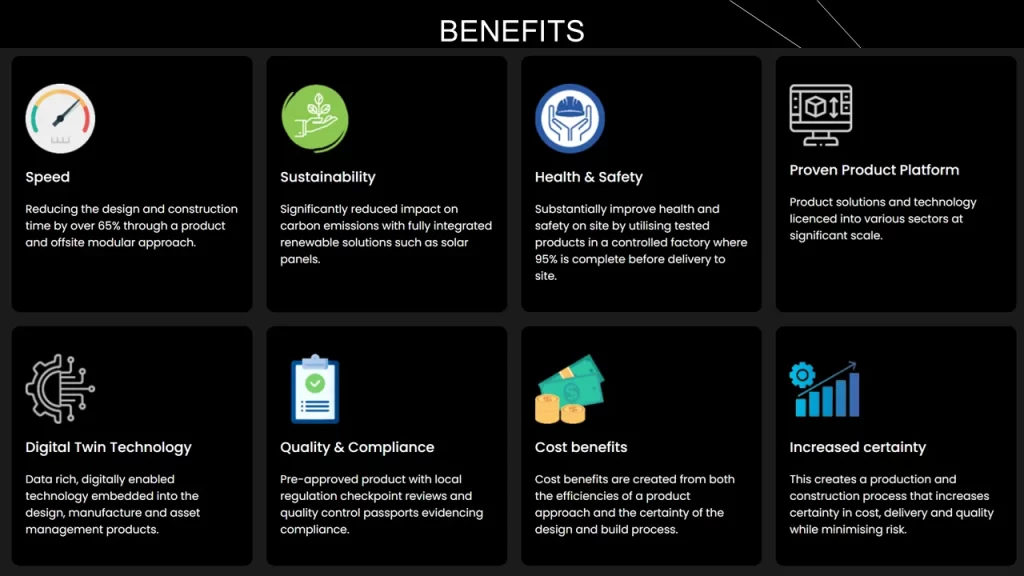
  • Minimal disruption – less noise, dust, and site congestion.
  • Faster schedules – shorter on-site critical path.
  • Better cost predictability – fewer weather delays and change orders.
  • Lightweight engineered design – supports integration with existing structures.
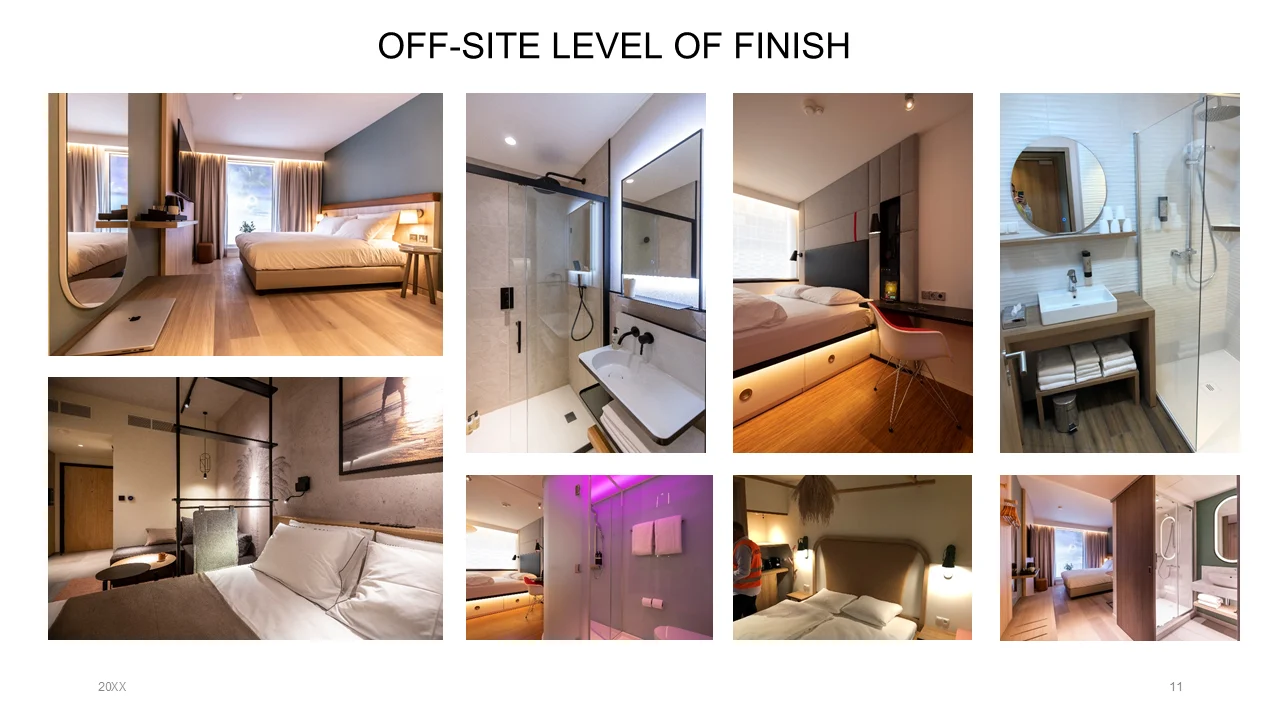
  • Higher quality control – factory inspections and consistent fit/finish.
  • Safer sites – reduced trades stacking and cleaner work zones.
  • Sustainability benefits – reduced waste and fewer site deliveries.

How We Approach a Vertical Extension

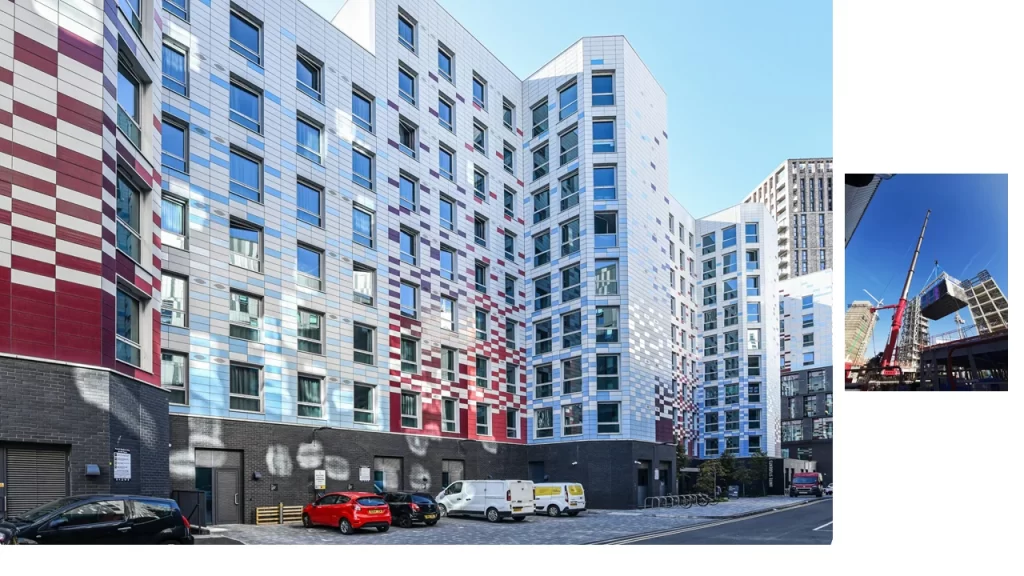
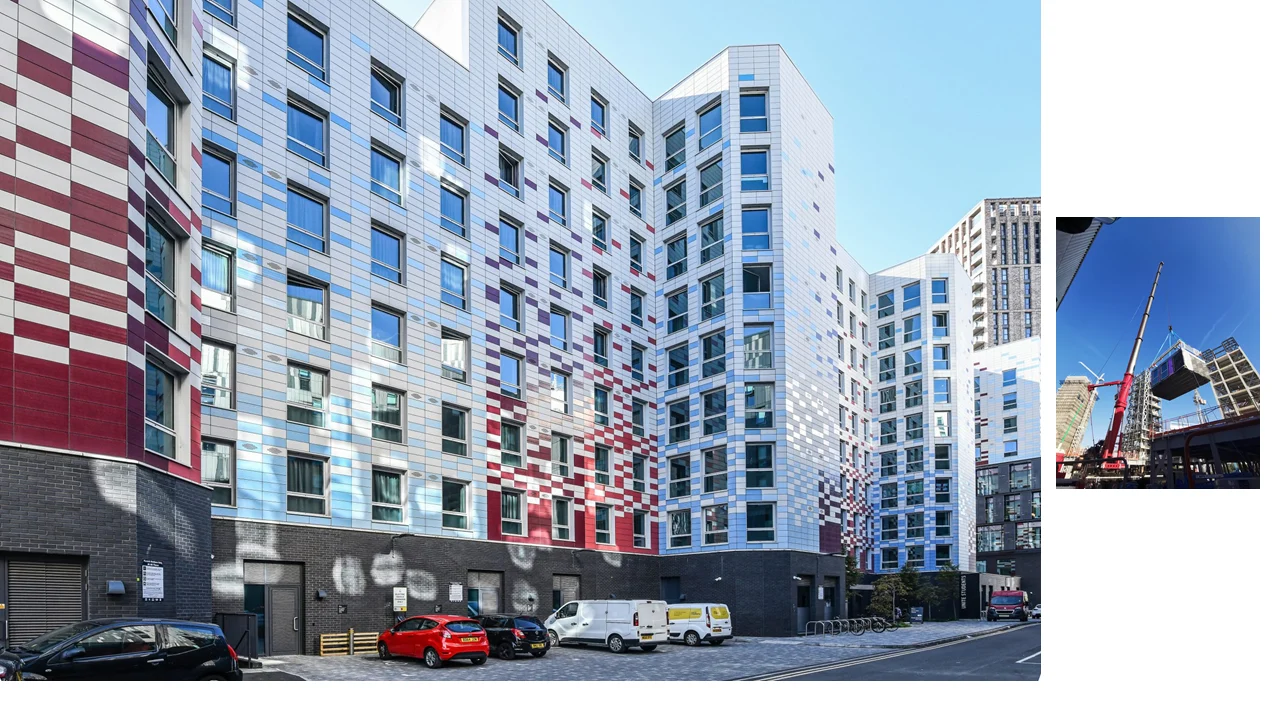
With up to 90% of construction completed off-site, modular overbuilds drastically reduce on-site activity, noise, and disruption. This makes it ideal for occupied buildings, such as offices, hospitals, and residential complexes, where business continuity and safety are critical.

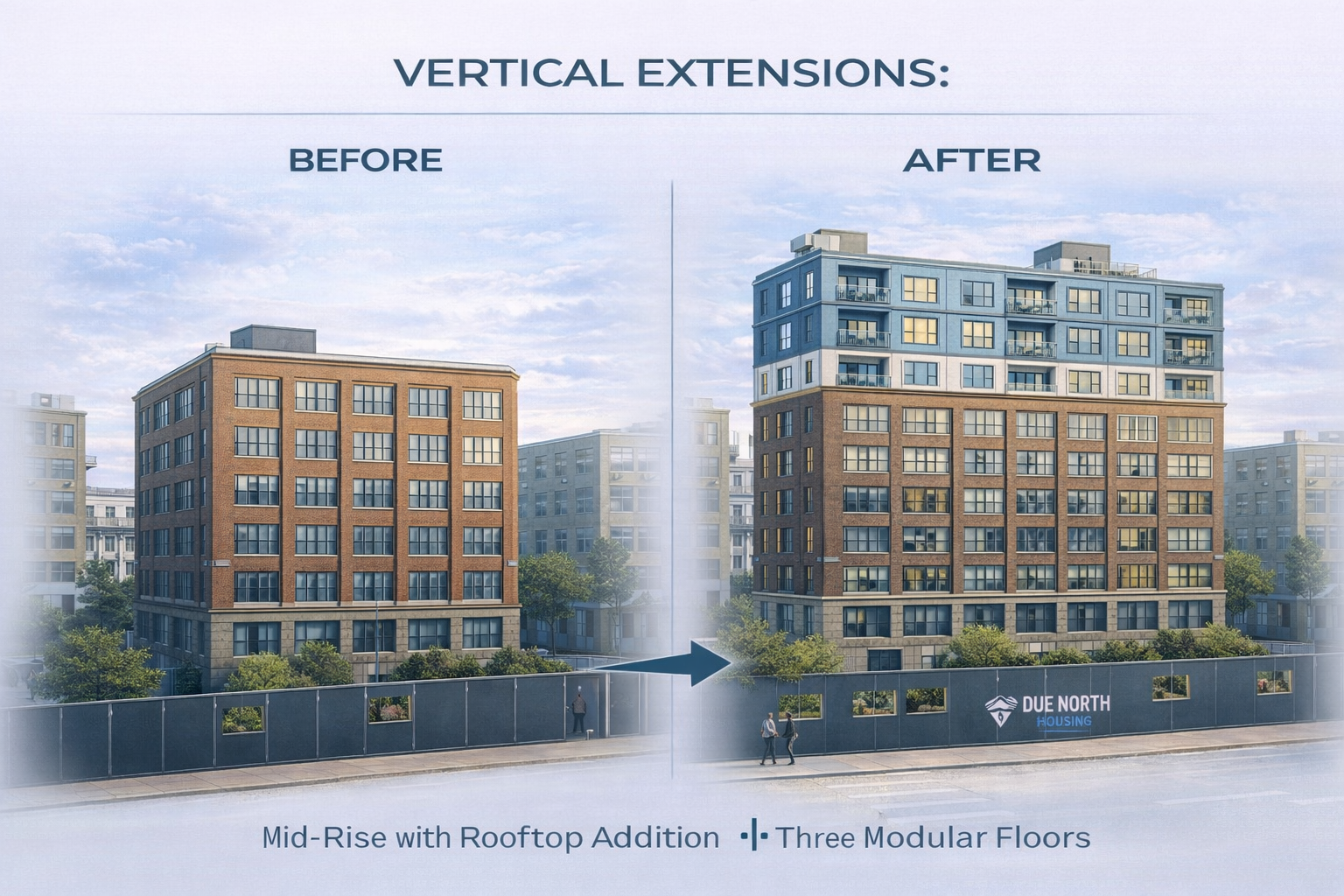
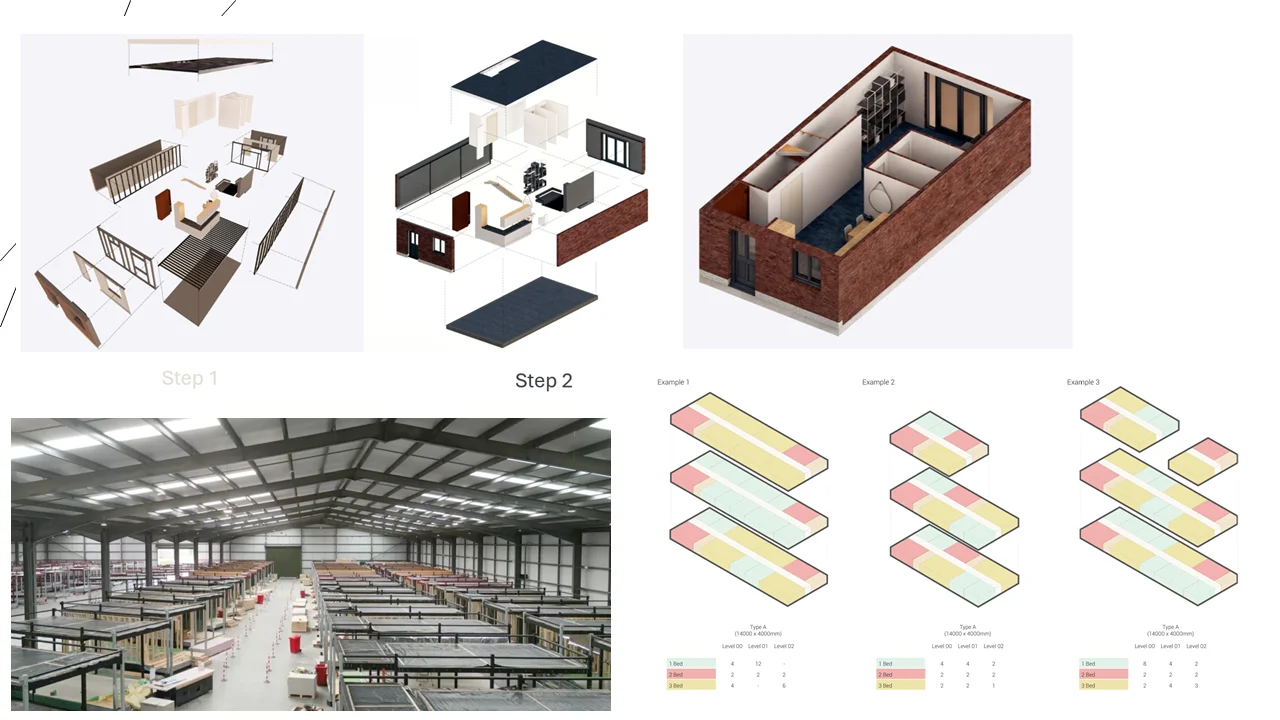
Using advanced manufacturing techniques, modular units are built to exact specifications, ensuring high-quality standards and compliance. Off-site precision engineering eliminates common on-site construction errors and ensures that modules seamlessly integrate with existing structures.

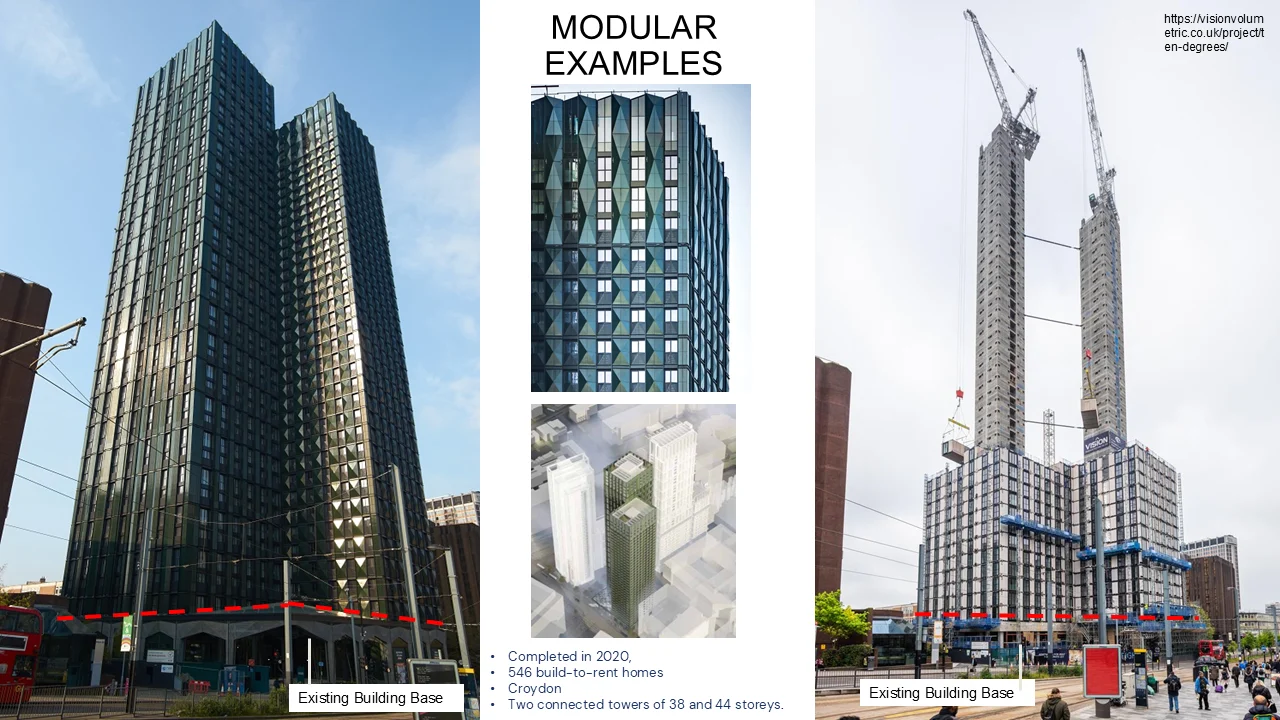
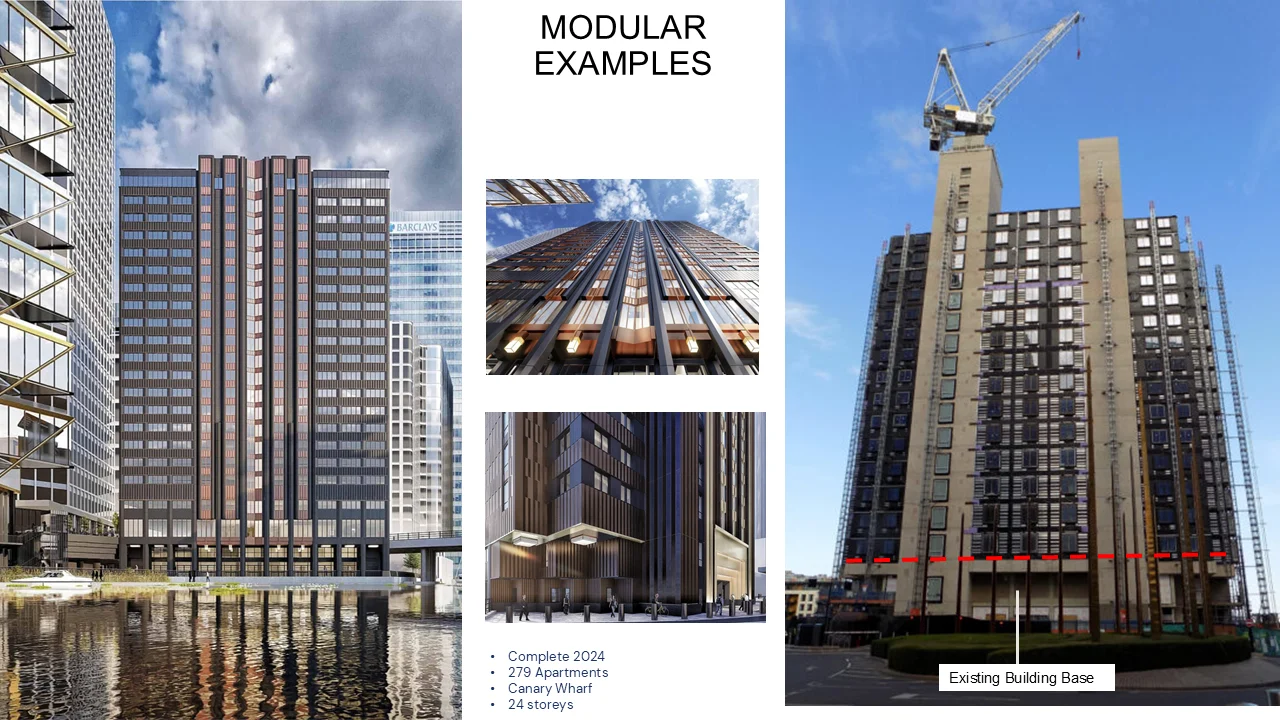
Modular construction utilizes lightweight, high-strength materials, reducing structural loads and minimizing the need for costly foundation reinforcement. This makes it possible to add new floors to older buildings that may not have been originally designed for vertical expansion.

Traditional construction projects often face budget overruns and unpredictable delays due to weather, material shortages, and labor challenges. Modular construction provides a fixed-cost solution with faster, more predictable delivery timelines, reducing financial and operational risks.

Every modular overbuild is meticulously planned using Digital Twin technology, creating a virtual replica of the existing building and proposed extension. This allows for accurate coordination, clash detection, and real-time adjustments, ensuring a perfect fit and optimized structural compatibility before installation begins.

By manufacturing in a controlled production environment, modular construction minimizes material waste and optimizes resource use. Additionally, modules can be designed for energy efficiency, incorporating sustainable materials and smart building systems to reduce long-term operational costs.

Delivery Continuity

  1. Existing building review (structure + services)
  2. Concept options + massing
  3. Modular system selection + engineering
  4. Permitting coordination support
  5. Manufacturing + installation sequencing

We plan for tenant impact and operational continuity from day one.